We use cookies to make this site work. We'd also like to set optional cookies so we can understand how the site is used and improve it. We will not set optional cookies unless you accept them. You can change your choice at any time from the Cookie settings link in the footer.
Strictly necessary cookies
These cookies are required for the site to work. They store your cookie preferences and keep your session secure. They are exempt from consent under PECR Regulation 6(4) because they are essential to deliver the service you have requested.
Optional cookies
Optional cookies help us understand how the site is used and provide additional features such as analytics, accessibility tools and translation. We will only set them if you accept.

Meet Karen, one of our Care Navigators
When you contact the practice, a team of Care Navigators work behind the scenes to help your enquiry move smoothly through the system and improve your overall experience.
Across our sites, two Care Navigators have completed specialist care navigation training. They work closely with our clinical triaging team to help patients understand what happens next after their request has been clinically reviewed.
We know that navigating health services can sometimes feel confusing. While some patients will need to see a GP, others may be better supported by another health or care professional, such as a nurse, pharmacist, or a wider support service. Clinical triage is always carried out by GPs or appropriate clinicians, who decides the most appropriate next step for each patient.
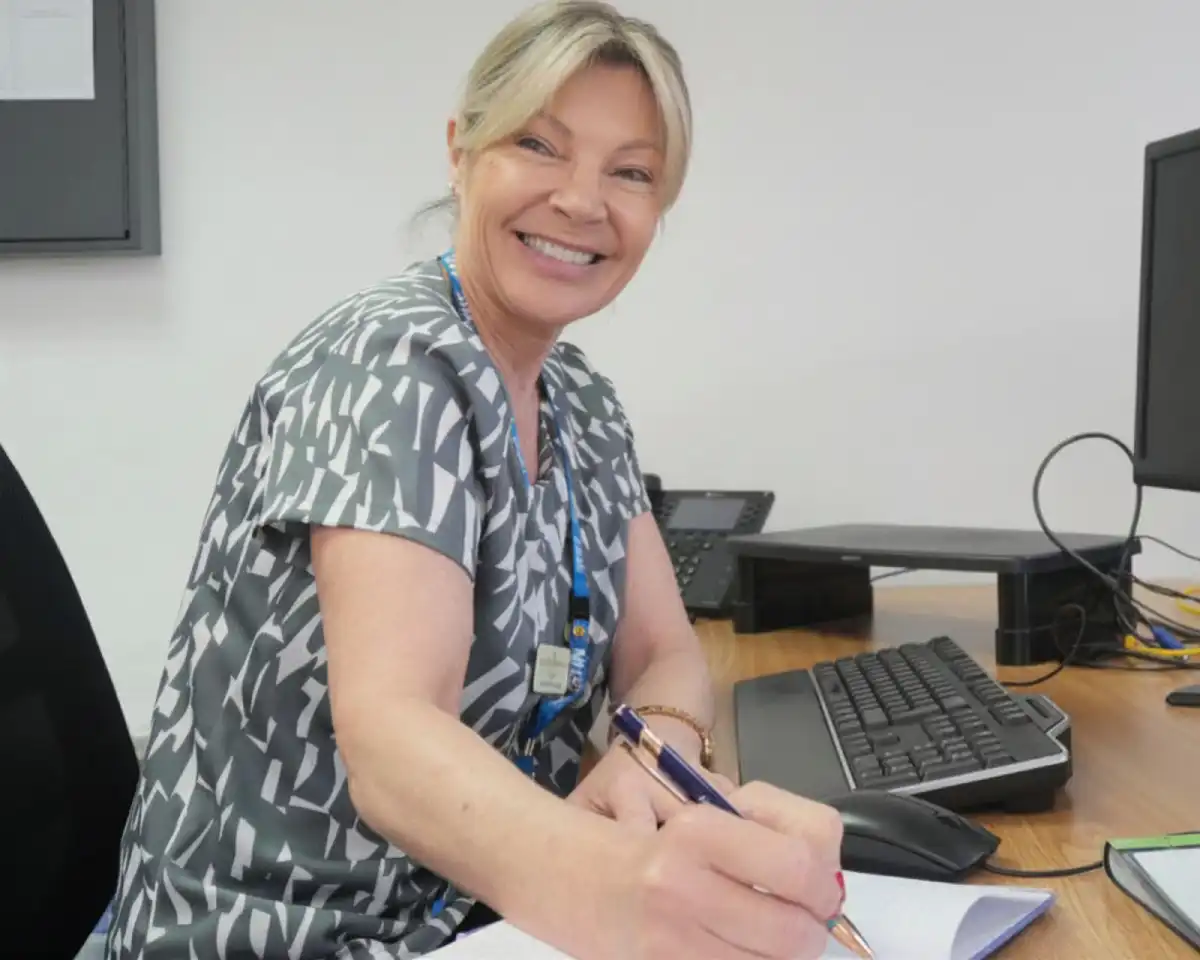
Care Navigators like Karen help support patients through this process.
“When a patient contacts the practice, their information is recorded in Anima, our consultation platform,” Karen explains. “Patients can complete this themselves online or using the self-service screens in the practice, or a Patient Services Advisor can complete it with them over the phone or in person, before it is passed to the clinical triaging team for review.”
“Once the clinical triaging team have reviewed the information and decided what should happen next, that’s where my role comes in. I help process the outcome, whether that’s arranging an appointment, contacting a patient with information, or helping explain the next steps.”
Karen describes the Care Navigator role as the link between the clinical triaging team and patients.
“We don’t make clinical decisions,” she says. “The clinical triaging team assess each request and decide the best course of action. Our job is to take that decision forward and make sure it’s carried out smoothly.”
No two days are ever the same for Karen. Her day usually starts with checking what clinics are running, including clinician availability and same-day capacity. Throughout the day, she coordinates appointments, contacts patients to arrange next steps, supports Patient Services Advisors with queries, and keeps clinicians updated as clinics fill up.
“It’s about keeping everything moving,” Karen says, “and making sure patients feel supported and informed.”
Supporting patients also means adapting how information is shared, something Karen is very mindful of in her role.
“It’s important to change your approach depending on the patient you’re supporting,” Karen explains. “Some patients are very comfortable using online services and need very little guidance, while others may prefer things explained more clearly or appreciate a bit of extra help. My role is to respond in a way that helps patients feel more confident and less overwhelmed.”
Karen works closely with her fellow Care Navigator, Fiona, as well as our clinicians and Patient Services Advisors. Sitting opposite to the clinical triaging team helps information to be shared quickly and ensures decisions can be followed through efficiently.
Care Navigators support patients at many different points in their care. This might include helping someone arrange an appointment around work or school commitments or taking extra care to support patients who are particularly unwell or receiving palliative care.
One of the most rewarding parts of the role for Karen is supporting patients.
“Being able to support patients when they need it is the most rewarding part of the role,” she says.
For Karen, good communication and organisation are essential in this fast-paced role.
“The team around me makes a huge difference,” she says. “In the Care Navigator role, I really try to make a positive difference to the overall patient experience.”
If she had to describe her role in three words, Karen says: Rewarding. Interesting. Challenging.
Published: May 8, 2026