We use cookies to make this site work. We'd also like to set optional cookies so we can understand how the site is used and improve it. We will not set optional cookies unless you accept them. You can change your choice at any time from the Cookie settings link in the footer.
Strictly necessary cookies
These cookies are required for the site to work. They store your cookie preferences and keep your session secure. They are exempt from consent under PECR Regulation 6(4) because they are essential to deliver the service you have requested.
Optional cookies
Optional cookies help us understand how the site is used and provide additional features such as analytics, accessibility tools and translation. We will only set them if you accept.

Meet Maggie, our Phlebotomist
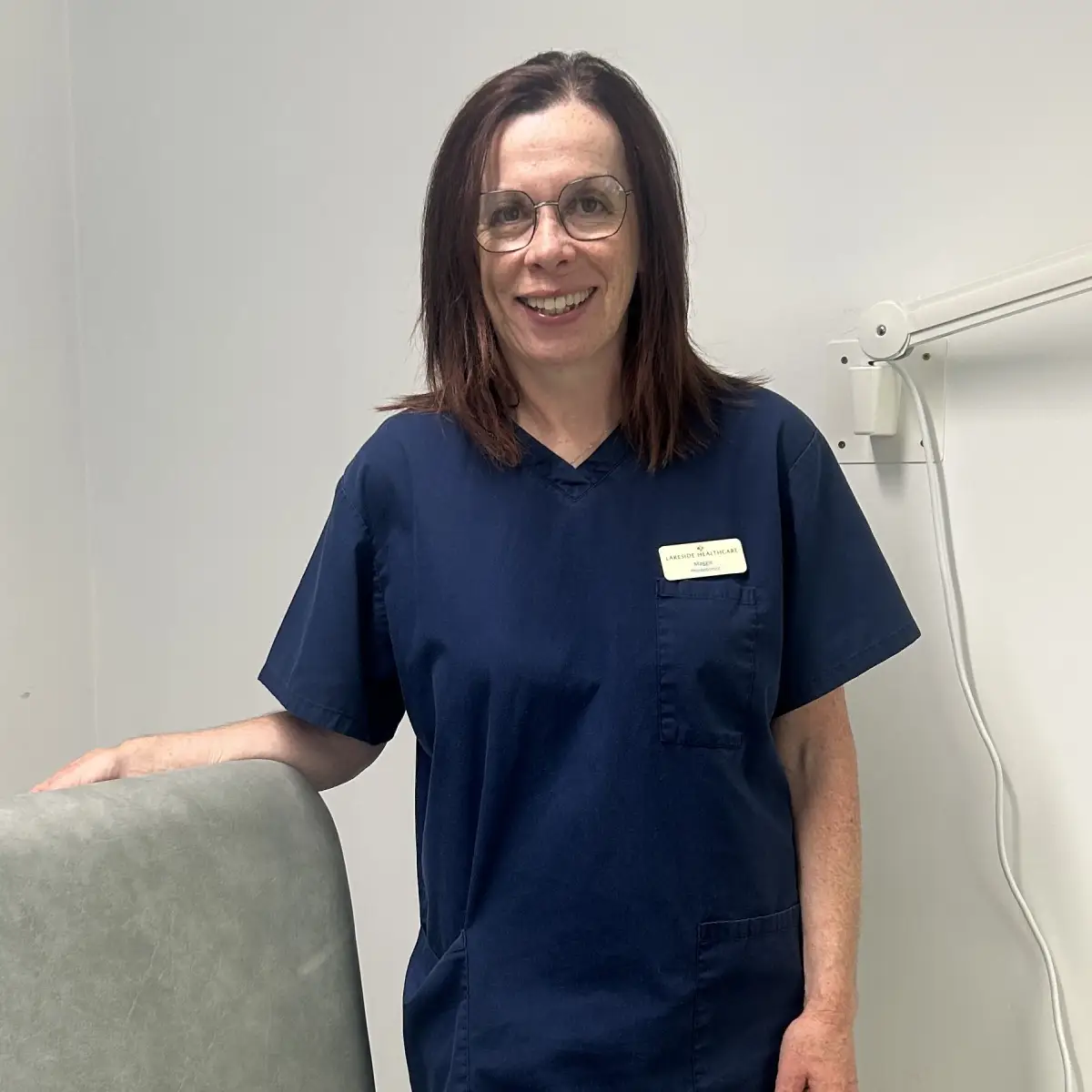
Patients at Stamford Surgery can book appointments for blood tests with Maggie Williams, our phlebotomist.
Maggie joined the team at the end of March 2026 and provides booked blood test appointments for patients at Sheepmarket Surgery.
“My role is as a phlebotomist, so I take blood samples,” Maggie said. “I have joined the team at Stamford Surgery to provide a service for our patients to be able to have a booked appointment time to have their blood tests.”
Blood tests are an important part of patient care. They can help our doctors, nurses and wider clinical team monitor health conditions, review medication, investigate symptoms and make decisions about treatment and support.
Maggie takes blood samples that have been requested by the wider practice team. These may be used to check things such as liver and kidney function, anaemia, infection, diabetes control, cholesterol levels, prostate monitoring, inflammation markers and thyroid function.
Patients may be asked to have a blood test as part of a medication or long-term condition review. Blood tests can also help the medical and nursing teams understand what may be causing symptoms a patient has described.
A typical day for Maggie starts with preparing her clinic room, making sure everything is clean and fully stocked, and checking her clinic list before seeing her first patient.
“On a typical day, I will see around 40 patients to take their blood samples,” Maggie said. “At the end of the day, I clean and restock the room ready for the following day.”
When patients arrive for their appointment, Maggie will invite them into an examination room and ask them to sit comfortably. She will check their details, ask them to remove any outer clothing so she can access the elbow area, and then prepare the equipment.
“I will place a tight band called a tourniquet around your arm to help me see the vein,” Maggie said. “Once the skin has been cleaned, I place a small needle into the vein. A lot of people like to look away when I am doing this, and that’s fine.”
Once the blood sample has been taken, Maggie removes the tourniquet and applies a plaster, checking that the patient feels okay before they leave.
Most blood test appointments take around five to ten minutes.
Maggie knows that some people can feel nervous about having a blood test and says there are simple things that can help.
“The blood test is a very straightforward test, with a very small needle, and is over quickly,” she said. “Often, just talking while I am taking your blood is enough. Looking
away also helps, or you could play some music on your phone to distract you or bring a friend or relative to support you.”
To help appointments run smoothly, Maggie encourages patients to arrive on time, drink plenty of fluids before their blood test and keep warm. Wearing loose clothing or short sleeves can also help, as it makes it easier to access the arm.
It is also important that patients eat normally before their blood test, unless they have been specifically told to fast.
If a patient knows they cannot attend their appointment, they should contact the practice as soon as possible so the appointment can be offered to another patient. If a patient misses their appointment, they should contact the surgery to arrange a new one.
Our phlebotomy clinics run Monday to Friday, from 8am to 3.30pm, at the Sheepmarket Surgery. If a blood test has been requested by one of our doctors or clinicians, patients can book an appointment by calling the surgery or speaking to main reception.
For Maggie, one of the most enjoyable parts of the role is meeting patients and knowing that her work supports their care.
“I love meeting people,” she said. “Working as the practice phlebotomist means I have already met a lot of patients and look forward to meeting many more. I enjoy knowing that the blood samples I take will help the practice team provide patients with the best care possible.”
Maggie has a message to patients who need a blood test.
“Don’t worry about needing a blood test,” Maggie said. “You can now have an appointment for this, so you shouldn’t need to wait long. It’s important for your medical care, and I will do my best to ensure that it’s a positive experience for you.”
If Maggie had to give patients three simple tips before coming for a blood test, they would be: arrive on time, drink plenty of fluids and keep warm.
Maggie Williams - Phlebotomy clinics (Maggie’s answers)
What is your role at Stamford Surgery?
My role is a phlebotomist (so to take blood samples), I have joined the team at Stamford Surgery to provide a service for our patients to be able to have a booked appointment time to have their blood tests.
How long have you worked here?
I started working here at the end of March 2026
What does a typical day look like for you?
A typical day for me involves setting up my room, making sure everything is clean and I have enough stock. I have a quick run through my clinic list to check for anything that needs looking at before my first patient. On a typical day I will see 40 patients to take their blood samples. At the end of the day I clean and restock the room ready for the following day.
Can you explain what a phlebotomist does?
As a phlebotomist I take blood samples that have been requested by the wider practice team.
What types of tests do you usually take blood for?
I take blood samples to test for many things, but some of the most common tests are looking at things like your liver and kidney function, checking for anaemia and infection, diabetes control, cholesterol levels, prostate monitoring, inflammation markers and thyroid function
Which patients are most likely to need blood tests
Patients needing blood tests tend to need a medication or health condition review, or a blood test to help the medical and nursing teams find a reason for symptoms that you have described to them
When do our phlebotomy clinics run?
Our phlebotomy clinics run Monday to Friday 8-3.30 at the SheepMarket site.
How do patients book a blood test?
If the blood test has been requested by our doctors or clinicians, then you can book the appointment via telephone or at main reception.
Why is it important for patients to attend their appointment?
It is important to attend your appointment to help the practice team provide you with the correct care. The results of your blood tests will often help determine your treatment pathway.
What happens during a typical blood test appointment?
When you attend to have blood taken, I will invite you into an examination room and ask you to sit comfortably on our couch. After checking your details, I will ask you to remove your outer clothing so that I can see your elbow area whilst I wash my hands and get the equipment that I need ready. I will place a tight band called a tourniquet around your arm to help me see the vein and once the skin has been cleaned place a small needle into the vein. A lot of people like to look away when I am doing this and that’s fine! Once the blood is collected, I will remove the tourniquet and apply a plaster checking that you feel Ok before you leave. We normally have time for a quick chat whilst I am taking your blood which can help reduce any anxiety you are feeling.
Some people feel nervous about blood tests – what would you say to reassure them?
The blood test is a very straightforward test (with a very small needle) and is over quickly. There are lots of things we can do to reduce your anxiety: Often just talking whilst I am taking your blood is enough, Looking away also helps, playing some music on your phone to distract you, or bringing a friend/relative to support you.
How quick is a typical appointment?
You would typically be with us 5-10 minutes.
What can patients do to prepare for their blood test?
It is helpful to have plenty to drink before your blood test. Make sure you eat normally (unless you have been told to fast before your blood test), Try and keep nice and warm as well. All these things make it easier to take your blood successfully.
What happens if someone misses their appointment?
If you miss your blood test appointment it is important that you contact the practice to make another appointment. If you know you can’t make your appointment, please let us know so that someone else can have the appointment.
Why are blood tests important for monitoring health conditions?
These blood tests are important as the results can help our nursing and medical teams to identify any changes in your health condition and offer you the appropriate support and treatment.
How do blood tests help GPs make decisions about care?
Blood tests help the GP’s to make decisions as the results will give the GP more information about your health and help them to decide about the most appropriate care for you
How can patients help their appointment run smoothly?
It’s helpful if you arrive on time for your appointment and wear loose clothing (or short sleeves) on your upper body so that any sleeve can roll up over your elbow.
Are there certain times or clinics that tend to be quieter?
Sadly not! The clinic is busy all day every day.
What are the most common issues you see with appointments?
Sometimes we can run a little late in the clinic if a patient has veins that are difficult to find
What do you enjoy most about your role?
I love meeting people. Working as the practice phlebotomist means I have already met a lot of patients and look forward to meeting many more. I enjoy knowing that the blood samples I take will help the practice team provide patients with the best care possible.
What message would you like to share with patients about attending their blood test?
Don’t worry about needing a blood test, you can now have an appointment for this so you shouldn’t need to wait long. It’s important for your medical care and I will do my best to ensure that it’s a positive experience for you.
What are your top three tips for patients coming to a blood test appointment?
Arrive on time, drink plenty of fluids before your blood test and keep warm.
Published: Jun 22, 2026